Selecting the right material for industrial projects is one of the most critical decisions engineers and fabricators make, especially when designing for harsh environments. The performance difference between a successful installation and a failed component often comes down to material selection. In 2026 and beyond, as industrial applications become more demanding and environmental stressors more extreme, choosing the right alloy isn’t just a technical requirement—it’s a strategic advantage.
Whether your project involves heavy fabrication, structural supports, machinery components, or exposed installations, understanding the capabilities and limitations of different alloys ensures reliability, longevity, and cost‑efficiency. In this guide, we’ll walk through best practices for selecting alloys suited to severe industrial conditions, common alloy families and their properties, and how expert fabrication partners like AP Precision Metals, Inc. help bring these materials to life.
Why Material Selection Matters in Harsh Environments
Harsh industrial environments introduce a range of challenges: extreme temperatures, corrosive chemicals, heavy abrasion, mechanical stresses, moisture, and cyclical loading conditions. Components that fail prematurely under these conditions can cause production downtime, safety risks, and significant financial loss.
Material selection impacts:
- Corrosion resistance and lifespan
- Mechanical strength and fatigue resistance
- Thermal expansion and stability
- Weldability and fabrication feasibility
- Cost over the lifetime of the component
There’s no universal “best material” for every application; the right choice depends on your specific operating conditions and performance expectations.
Popular Alloy Categories for Industrial Fabrication
The most commonly used alloys in industrial fabrication each have strengths and limitations. Understanding these helps ensure you’re specifying the best option for your application.
Carbon Steel
Carbon steel is widely used due to its strength, affordability, and ease of fabrication. It performs well under heavy loads and can be heat‑treated to further enhance strength properties.
Pros:
- High strength and toughness
- Cost‑effective and readily available
- Excellent weldability
Cons:
- Prone to corrosion without protective coatings
- Not suitable for highly corrosive environments without surface treatment
Applications: structural beams, supports, machinery bases, frames
Stainless Steel
Stainless steel alloys, particularly grades like 304 and 316, are known for excellent corrosion resistance, even in moderately severe conditions. They are often the go‑to choice where exposure to moisture, chemicals, or outdoor elements is expected.
Pros:
- Excellent corrosion resistance
- Good mechanical strength
- Clean aesthetic surface
Cons:
- Higher material cost
- More challenging machining than carbon steels
Applications: chemical plant equipment, food and beverage fabrication, outdoor installations
Alloy Steel
Alloy steels combine carbon steel with elements like chromium, molybdenum, or nickel to improve mechanical properties, heat resistance, and strength. They are ideal for applications that involve high pressures or temperatures.
Pros:
- Superior tensile strength
- Improved wear resistance
- Enhanced performance in extreme conditions
Cons:
- More expensive than carbon steel
- Tighter machining and welding controls required
Applications: pressure vessels, industrial valves, high‑stress components
Aluminum Alloys
Aluminum and its alloys are valued for being lightweight and corrosion‑resistant, especially in environments where weight reduction is critical. While not as strong as steels, modern aluminum alloys offer a favorable strength‑to‑weight ratio.
Pros:
- Excellent corrosion resistance
- Low weight
- Good thermal and electrical conductivity
Cons:
- Lower absolute strength compared to steel
- More expensive on a per‑pound basis
Applications: transportation equipment, lightweight frames, coastal installations
Factors to Consider When Choosing an Alloy
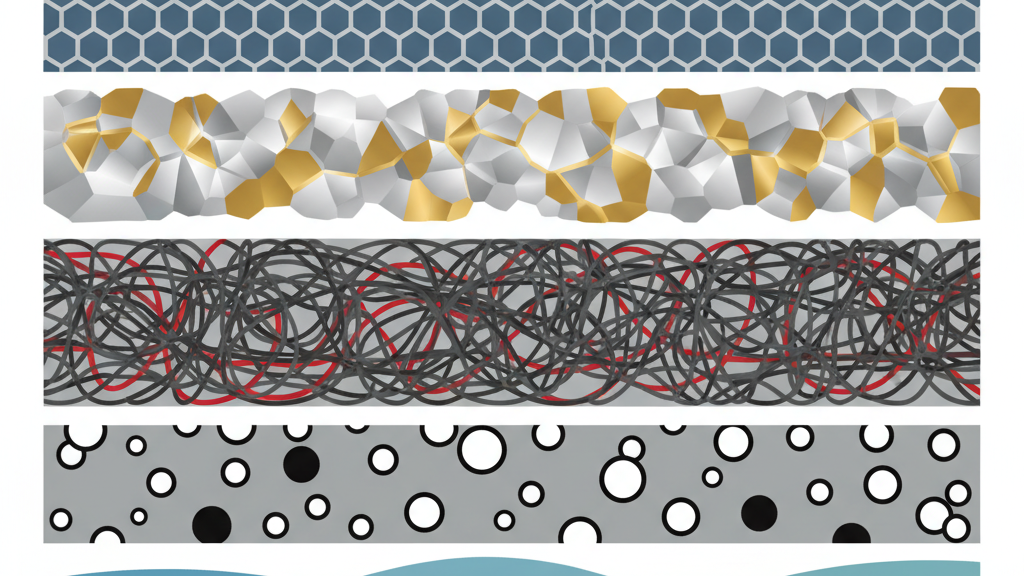
Choosing the right material for harsh industrial environments is a balance of performance requirements, environmental conditions, fabrication considerations, and total lifecycle cost. Below are the key decision criteria:
Corrosion Resistance Requirements
If your application will be exposed to moisture, salt, chemicals, or fluctuating temperatures, corrosion resistance becomes a top priority. Stainless steel and certain aluminum alloys typically outperform standard carbon steels in these environments, but protective coatings can extend the life of carbon steel where budget constraints exist.
Mechanical Loading and Fatigue
Components subjected to repetitive loading or shock should be chosen based on their fatigue strength and toughness. Alloy steels and heat‑treated carbon steels often provide superior performance in high‑stress applications.
Temperature Extremes
In environments with high heat or significant temperature swings, consider materials with low thermal expansion and good thermal stability. Some stainless steels and nickel alloys are specifically designed for these conditions.
Fabrication and Weldability
Not all alloys are equally easy to machine or weld. For example, high‑strength, high‑alloy materials may require specialized welding procedures to avoid cracking or distortion. Discuss alloy weldability with your fabrication partner early in the design phase to avoid surprises.
Cost and Lifecycle Value
Material cost is important, but long‑term value often matters more. A more expensive alloy that resists corrosion and lasts significantly longer can be far more cost‑effective over the lifetime of the component than a cheaper material that needs frequent replacement and repair.
Case Studies: Materials in Action
Understanding how alloys perform in real industrial scenarios helps clarify material choices. Below are common use cases where specific materials excel:
Offshore Platforms and Saltwater Exposure
In coastal or offshore facilities, corrosion resistance is paramount. Stainless steel grades like 316 or duplex stainless steels resist chloride pitting and crevice corrosion where standard steels fail prematurely.
High‑Temperature Fabrication Environments
Industrial furnaces, heat exchangers, and high‑temperature process equipment often call for heat‑resistant alloys. Alloy steels with chromium and molybdenum provide the strength and stability those applications demand.
Heavy Load Structural Components
For support structures and load‑bearing frames, carbon and alloy steels are preferred due to their superior strength and ability to be precisely fabricated into complex geometries.
Working with a Fabrication Partner on Material Selection
Material selection should never be done in isolation. Working with a fabrication partner like AP Precision Metals, Inc. adds practical insight into how different alloys behave during cutting, bending, forming, and welding. Expert fabricators understand the trade‑offs between material properties and fabrication challenges, helping you avoid costly redesigns and production setbacks.
AP Precision Metals has extensive experience with a wide range of alloys and fabrication methods. Their team can help you match alloy properties to your operating conditions, ensuring optimal performance for your application in harsh environments.
Steps to Ensure the Right Material Choice
Here’s a practical process to follow when selecting materials for industrial projects:
- Define environmental conditions: Identify corrosion factors, temperature extremes, mechanical stresses, and exposure levels.
- List performance requirements: Establish required mechanical properties, lifespan expectations, and tolerance levels.
- Consult fabrication expertise: Discuss material options with your fabricator early in the design phase.
- Evaluate lifecycle costs: Consider not just material price, but expected maintenance, replacement, and downtime costs.
- Prototype and test: When possible, build sample parts and evaluate them under real operating conditions.
Conclusion: Material Choices for a Resilient New Year
As industrial environments become more demanding and complex, material selection becomes a defining factor in project success. Understanding the strengths and limitations of different alloys, how they respond to harsh conditions, and how they perform during fabrication leads to better decisions, fewer failures, and improved lifetime value.
If you’re planning a project for 2026 and need expert guidance on alloy selection and precision fabrication, contact us at AP Precision Metals, Inc. Our team is ready to help you choose the best material and fabrication strategy for your industrial application.