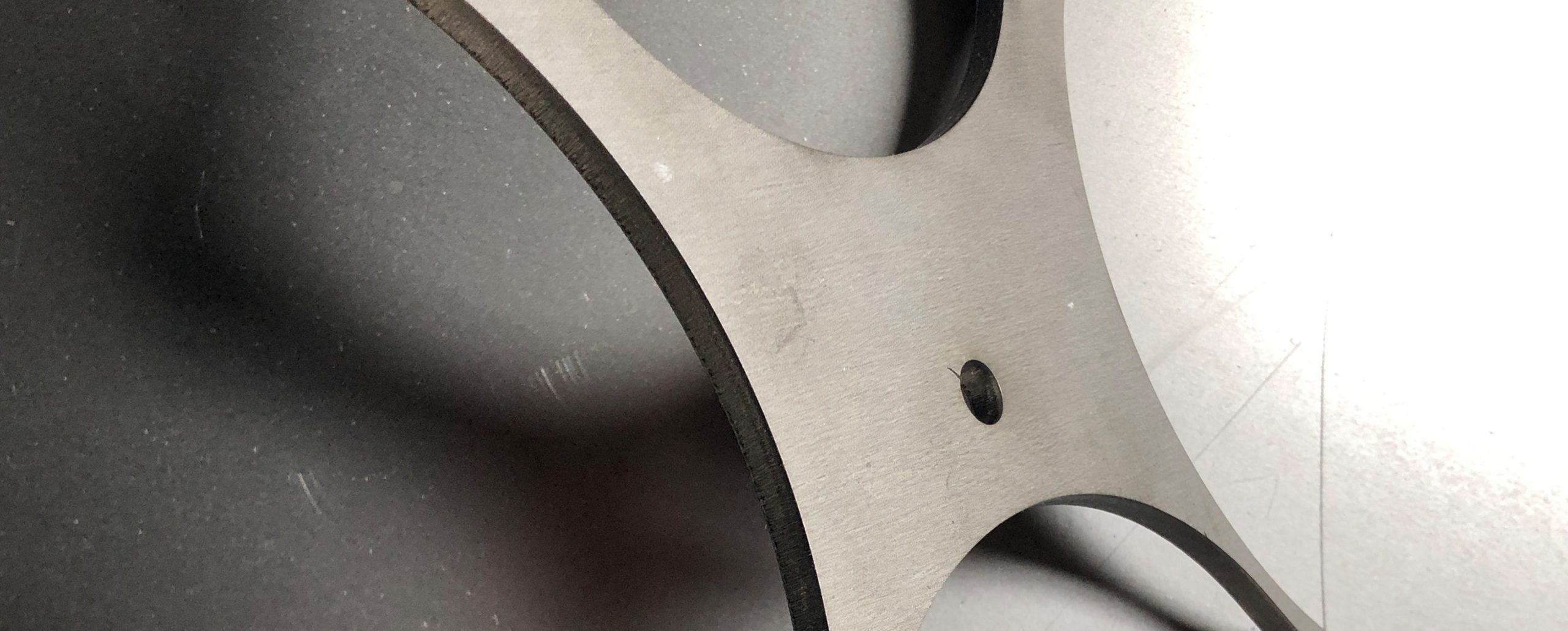
Laser cutting and plate cutting represent distinct metal fabrication techniques with different strengths. Laser cutting uses focused light beams (CO2 laser, fiber laser, or Nd:YAG laser) to achieve precision metal processing with tolerances as tight as ±0.001 inches, making it ideal for complex geometries and thin materials. Plate cutting methods (plasma cutting, waterjet cutting, oxy-fuel cutting) excel at processing thick steel plates up to 6 inches and offer lower operating costs for high-volume production of simpler shapes.
Metal Cutting Method Comparison: Key Differences at a Glance

| Feature | Laser Cutting | Plate Cutting Methods |
|---|---|---|
| Precision Cutting Tolerance | ±0.001 to ±0.005 inches | ±0.020 to ±0.125 inches |
| Material Thickness Range | 0.020 to 1.0 inches (optimal) | 0.25 to 6+ inches |
| Cutting Speed (1/4″ Steel) | 200-500 inches/minute | 60-300 inches/minute |
| Heat-Affected Zone | 0.005-0.020 inches | 0.040-0.250 inches |
| Edge Quality | Superior (minimal burr formation) | Good to Fair (requires finishing) |
| Initial Investment | $150,000-$1,500,000 | $50,000-$300,000 |
| Best Applications | Complex parts, thin sheet metal, tight tolerance requirements | Thick plates, straight cuts, high-volume simple shapes |
How Does Cutting Precision Differ Between Laser and Plate Cutting Methods?

Laser cutting delivers superior precision metal cutting with tolerances between ±0.001 and ±0.005 inches for most applications. According to industry standards (SME, 2023), CNC laser systems maintain consistent accuracy through computer-controlled beam diameter and focal point adjustment, producing kerf widths as narrow as 0.004 inches. This precision cutting method minimizes material waste and eliminates secondary finishing operations for aerospace industry and automotive industry components.
In contrast, plate cutting techniques like plasma cutting and oxy-fuel cutting produce wider kerf widths (0.060 to 0.250 inches) and tolerances of ±0.020 to ±0.125 inches. Waterjet cutting achieves better accuracy than plasma (±0.005 to ±0.020 inches) but still falls short of laser cutting precision. The cutting torch used in thermal cutting processes creates larger heat-affected zones, causing material distortion in thin sheets below 0.25 inches thickness.
Metal cutting accuracy depends on three factors: beam stability, material properties, and machine rigidity. Fiber laser technology offers 45% better precision than CO2 laser systems for reflective metals like aluminum, brass, and copper. CNC machine calibration intervals also impact cutting tolerance levels, with laser systems requiring adjustment every 500 operating hours versus 200 hours for plasma cutting equipment.
What Are the Speed and Efficiency Differences in Metal Cutting Technologies?
Cutting speed optimization varies significantly across metal fabrication techniques. CNC cutting technology using fiber lasers processes 1/4-inch mild steel at 200-500 inches per minute, whereas plasma cutting achieves 60-150 inches per minute for the same material thickness. According to fabrication shop equipment data (AWS, 2024), laser cutting speed decreases exponentially as material thickness increases beyond 0.75 inches, while plasma cutting maintains consistent production throughput optimization for plates up to 2 inches.
Production efficiency extends beyond raw cutting speed capabilities. Laser cutting systems reduce turnaround time through automated nozzle changes, integrated CAD software, and CAM software that optimizes cut paths. These metal cutting automation features deliver 30-40% faster overall production cycles compared to manual plate cutting operations. However, waterjet cutting, though slower (20-100 inches/minute), eliminates heat distortion entirely, saving time by removing secondary stress-relief processes.
For thick steel plates (2-6 inches), oxy-fuel cutting provides the most cost-effective production cutting methods, processing material at 10-30 inches per minute with minimal equipment investment. The cutting head design in modern CNC plasma systems has improved metal cutting efficiency by 25% since 2020 through better assist gas (nitrogen, oxygen, compressed air) management and cutting process parameters optimization.
Which Metal Cutting Method Offers Better Material Compatibility?
Material cutting compatibility represents a critical metal cutting selection criteria. Laser cutting processes all common metals including steel, aluminum, stainless steel, brass, copper, and titanium, with fiber laser systems handling reflective materials 60% more efficiently than CO2 laser technology. According to metal processing solutions research (FMA, 2023), laser cutting maintains consistent edge quality control across materials ranging from 0.020-inch sheet metal to 1-inch thick plates.
Plate cutting benefits vary by method and material. Plasma cutting excels at mild steel and stainless steel processing but struggles with aluminum thicker than 2 inches due to excessive oxidation and burr formation. Waterjet cutting handles any material regardless of hardness or thermal sensitivity, making it ideal for heat-sensitive alloys, composites, and exotic metals. Oxy-fuel cutting works exclusively with ferrous metals (steel and iron alloys), limiting its metal cutting versatility in modern fabrication technology options.
Material cutting thickness capabilities differ substantially. Laser cutting loses economic viability beyond 1 inch for most metals, while plasma cutting processes steel plates up to 3 inches efficiently. Waterjet cutting cuts materials up to 12 inches thick, and oxy-fuel cutting handles steel plates exceeding 24 inches. For metal fabrication accuracy across diverse materials, choosing metal cutting method for small batch production requires balancing material compatibility with production cost reduction goals.
Cost Analysis: Comparing Metal Cutting Economics
Initial investment differs dramatically between industrial cutting methods. Entry-level CNC laser systems start at $150,000 for CO2 laser machines, while fiber laser technology ranges from $300,000 to $1,500,000. In contrast, plasma cutting equipment costs $50,000-$150,000, waterjet cutting systems run $80,000-$300,000, and basic oxy-fuel cutting setups begin at $15,000-$50,000.
Operating cost comparison reveals different economics. Laser cutting operating costs include electricity ($8-$15/hour), assist gas ($3-$12/hour depending on nitrogen or oxygen), and consumables ($2-$5/hour). Plasma cutting costs $4-$8/hour in electricity, $1-$3/hour in gas, and $5-$15/hour for electrode and nozzle replacement. Waterjet cutting carries the highest operating expenses ($15-$25/hour) due to abrasive consumption and high-pressure pump maintenance.
Maintenance cost factors significantly impact metal cutting technology ROI comparison. Laser cutting systems require $15,000-$40,000 annually for optics cleaning, gas delivery maintenance, and chiller service. Plasma cutting maintenance runs $8,000-$20,000 yearly, primarily for consumable replacement and torch rebuilding. According to cutting equipment investment analysis (FABTECH, 2024), laser cutting achieves cost-per-part advantages for complex geometries and production volumes exceeding 1,000 parts annually, while plate cutting methods offer better economics for simple shapes and thick materials.
Use-Case Scenarios: Selecting the Best Cutting Technology
Aerospace Industry: Precision Metal Cutting for Complex Metal Parts
Aerospace components demand precision cutting methods with tight tolerance requirements (±0.002 inches) and minimal heat-affected zone minimization. Laser cutting advantages for complex metal parts include clean edges on titanium and aluminum alloys, reducing fabrication method choice costs by eliminating secondary machining. According to aerospace manufacturing standards (AS9100D), laser cutting quality produces parts meeting critical safety specifications for aircraft structural components.
Automotive Industry: High Volume Production Cutting Methods
Automotive manufacturers prioritize metal cutting method for high volume production efficiency. Laser cutting benefits include 200-400 parts per hour throughput for stamped components, whereas plasma cutting handles 50-100 parts hourly. For chassis plates and frame rails exceeding 0.5 inches thickness, plasma cutting for metal fabrication offers superior production economics. AP Precision Metals combines both technologies, selecting the optimal cutting process selection guide based on part geometry and material thickness.
Prototype Development: Metal Cutting Method for Reducing Material Waste
Prototype fabrication demands cutting capability assessment that balances speed, precision, and flexibility. Laser cutting advantages for thin metal sheets enable rapid design iterations with minimal setup time. CAD software integration allows engineers to test multiple configurations within hours, accelerating turnaround time by 60% compared to traditional cutting methods. For prototype volumes under 50 parts, laser cutting provides the most cost-effective manufacturing cutting solutions.
Mass Production: Choosing Between Thermal and Mechanical Cutting Methods
Mass production scenarios require manufacturing process optimization focused on cost per part and cutting system performance. When production volume exceeds 5,000 identical parts annually, comparing operating costs of different metal cutting methods reveals that plasma cutting delivers 30-45% lower per-part costs for simple geometries in mild steel plates. However, laser cutting vs waterjet cutting cost analysis shows lasers maintain advantages for complex patterns requiring minimal secondary processing.
Decision Framework: Metal Cutting Method Selection Criteria for Job Shops
Choose laser cutting if:
- Material thickness is below 1 inch (0.75 inches optimal for cost efficiency)
- Part designs require complex geometries or tight corners (radius < 0.125 inches)
- Tolerance specifications demand ±0.005 inches or tighter precision metal processing
- Edge quality must meet aerospace or medical device standards without finishing
- Production includes diverse materials (stainless steel, aluminum, brass, titanium)
- Batch sizes range from prototypes to medium production runs (1-1,000 parts)
- Heat-affected zone must remain below 0.020 inches for material properties preservation
Choose plate cutting methods if:
- Material thickness exceeds 1 inch (plasma, waterjet, or oxy-fuel depending on material)
- Part geometries feature straight cuts or simple shapes with loose tolerances (±0.050 inches acceptable)
- Production volume justifies high consumable costs (plasma electrodes, waterjet abrasive)
- Initial investment budget limits equipment to under $300,000
- Materials include thick steel plates for structural applications (2-6 inches)
- Operating cost per hour must remain below $10 for competitive pricing
- Secondary finishing operations are already integrated in production workflow
Metal Fabrication Guide: Optimizing Your Cutting Technology Choice
Selecting between laser cutting precision and plate cutting capacity requires analyzing six critical cutting method factors: material type and thickness, required tolerance levels, production volume, part complexity, budget constraints, and turnaround time requirements. According to industrial metal cutting trends (SME, 2024), 65% of fabrication shops now operate hybrid systems combining laser and plasma cutting to maximize metal cutting performance across diverse applications.
The best metal cutting process for aluminum parts differs from optimal solutions for thick steel plates. Fiber laser technology handles aluminum, brass, and copper with 80% less reflective material challenges compared to CO2 laser systems. For mild steel exceeding 2 inches, plasma cutting vs laser cutting accuracy comparison favors plasma for straight-line cuts and laser for intricate patterns requiring metal cutting technology for complex geometries.
Future-proofing your metal fabrication accuracy investment involves evaluating cutting equipment selection guide recommendations against projected production mix changes. Laser cutting capabilities vs traditional cutting methods continue expanding as beam power increases and cutting speed capabilities improve. Meanwhile, advances in plasma cutting consumables extend cutting system comparison advantages for thick plate processing in job shop environments requiring metal working processes flexibility.
Understanding which cutting method produces less heat affected zone helps prevent material warping and property degradation. Laser cutting generates heat-affected zones of 0.005-0.020 inches versus 0.040-0.250 inches for thermal cutting processes like plasma and oxy-fuel. Waterjet cutting produces zero heat-affected zone, making it the preferred metal cutting guide recommendation for materials sensitive to thermal stress or requiring maximum metal cutting versatility without metallurgical changes.