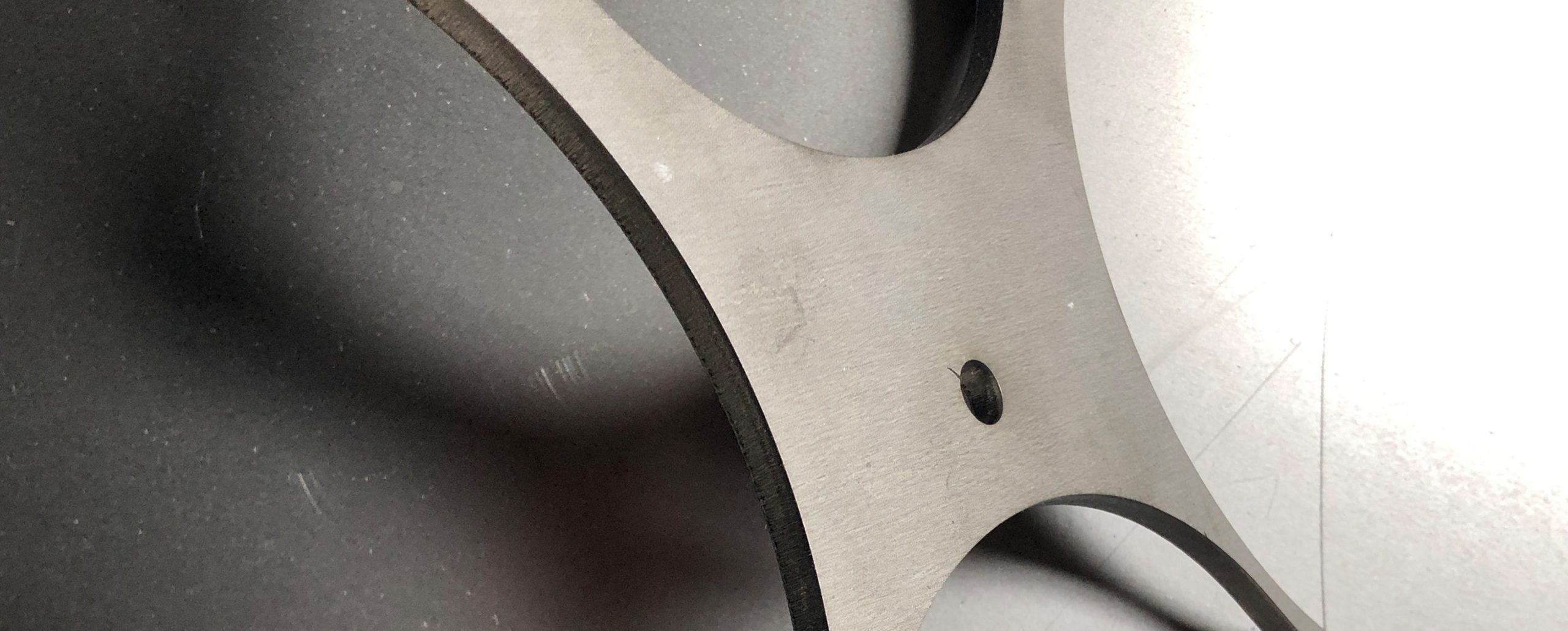
Selecting the appropriate material for CNC machining directly impacts part performance, production efficiency, and project cost. This guide provides a systematic approach to choosing from over 40 common materials including aluminum, steel, stainless steel, titanium, brass, and engineering plastics. By following these five steps, engineers and machinists can identify the optimal workpiece material for any precision machining application within 30-60 minutes (beginner to intermediate skill level).
Before You Begin: Material Selection Prerequisites

Before starting the material selection process, gather the following information:
- Project specifications: Technical data sheet with dimensional accuracy requirements and geometric tolerance standards
- Functional requirements: Operating environment, load conditions, and performance specifications
- Machine capabilities: CNC machine type, spindle power, and compatible cutting parameters
- Production details: Quantity (prototype vs production), timeline, and budget constraints
- Reference materials: Access to a material database or CNC machining materials guide for property comparisons
- Supplier information: Material availability in required forms (bar stock, plate stock, sheet metal, rod material)
Understanding CNC Compatible Materials Categories

According to industry standards (ASM International, 2024), CNC machining accommodates three primary material categories, each with distinct machining properties and application-specific materials.
Metals and Metal Alloys
Ferrous metals include carbon steel, tool steel, alloy steel, mild steel, cast iron, 304 stainless steel, 316 stainless steel, and 17-4 PH stainless steel. Non-ferrous metals comprise aluminum 6061, aluminum 7075, aluminum 2024, brass, copper, bronze, zinc, magnesium, grade 5 titanium, grade 2 titanium, and nickel alloys such as Inconel and Hastelloy. These materials offer hardness values ranging from 20 HRB (soft aluminum) to 45 HRC (hardened tool steel) on the Rockwell hardness scale.
Engineering Plastics
Thermoplastics suitable for metal fabrication processes include ABS, polycarbonate, PEEK, nylon, acrylic, delrin (POM), PTFE, HDPE, and polypropylene. Composite materials such as carbon fiber and fiberglass provide exceptional strength-to-weight ratio characteristics. Unlike metals, engineering plastics typically exhibit lower density (0.9-1.4 g/cm³) and reduced thermal conductivity.
Specialty Materials
Wood, foam, and exotic metals serve niche manufacturing process requirements. These substrate materials address specific industry-specific materials needs in aerospace, medical, and automotive sectors.
Step 1: Define Your Project’s Functional Requirements
Start by documenting precise quality requirements and performance specifications using this systematic approach.
Identify Operating Conditions
Record the environmental parameters where the finished component will function. Operating temperature range determines whether standard materials or heat-resistant materials for CNC applications are necessary. For example, PEEK thermoplastic maintains mechanical properties up to 250°C, while aluminum 6061 softens above 200°C. Chemical exposure requires materials with appropriate corrosion resistance—316 stainless steel provides superior resistance to chlorides compared to 304 stainless steel.
Determine Load and Stress Requirements
Calculate expected mechanical loads using tensile strength, yield strength, and elasticity values. High-strength materials for CNC machining include grade 5 titanium (ultimate tensile strength: 895 MPa) and 17-4 PH stainless steel (ultimate tensile strength: 1310 MPa when heat-treated). Ductile materials like brass absorb impact loads better than brittle materials such as acrylic.
Establish Physical Property Needs
List required material characteristics including electrical conductivity, magnetic properties, and wear resistance. Copper offers electrical conductivity of 5.96 × 10⁷ S/m, making it ideal for electrical components. Non-magnetic CNC materials like austenitic stainless steels suit applications near sensitive equipment. Wear-resistant materials for CNC machining include bronze alloys and hardened tool steel.
Step 2: Evaluate Critical Material Properties
Compare candidate materials using standardized material properties charts and technical specifications from reliable sources like CNC machining materials guide databases.
Assess Mechanical Properties
Review the material specifications for each candidate focusing on tensile strength, hardness, ductility, and elasticity. Create a material comparison table with values from authoritative sources. For instance, aluminum 7075 provides higher strength (572 MPa ultimate tensile strength) than aluminum 6061 (310 MPa) but lower ductility (11% vs 17% elongation). Measure hardness using appropriate scales—Brinell hardness for soft materials, Rockwell hardness for harder alloys.
Analyze Thermal and Chemical Behavior
Examine thermal conductivity values if heat dissipation is critical. Aluminum alloys offer thermal conductivity of 120-180 W/m·K, significantly exceeding stainless steel grades (15-25 W/m·K). Chemical resistance in CNC machining materials varies widely—PTFE resists virtually all chemicals, while carbon steel corrodes rapidly without protective coatings.
Review Material Density and Weight
Calculate component weight using material density values. Lightweight materials for CNC machining include magnesium (1.74 g/cm³), aluminum alloys (2.7 g/cm³), and engineering plastics (0.9-1.4 g/cm³). Compare these to steel (7.85 g/cm³) and titanium (4.5 g/cm³) for strength-to-weight ratio optimization.
Step 3: Assess Material Machinability and Processing Characteristics
According to the American Machining Standards (2024), material machinability rating directly impacts machining time, tool wear, and production efficiency.
Consult Machinability Ratings
Reference standardized machinability ratings where free-cutting brass scores 100% (baseline). Easy-to-machine materials for CNC include aluminum 6061 (90%), brass (100%), and mild steel (70%). Difficult-to-machine CNC materials like Inconel (25%), Hastelloy (20%), and hardened stainless steels require specialized tooling selection and reduced cutting parameters.
Evaluate Chip Control and Surface Quality
Material behavior during cutting operations affects surface quality and dimensional accuracy. Ductile materials produce continuous chips requiring effective chip control systems. Soft materials like aluminum generate built-up edge on cutting tools if parameters aren’t optimized. Hard materials create discontinuous chips and accelerate tool wear, increasing machining cost.
Consider Material Removal Rate
Calculate achievable material removal rate based on workpiece material properties and machine capabilities. Machinable materials like aluminum 6061 allow material removal rates exceeding 500 cm³/min on modern CNC equipment. Exotic materials for CNC machining such as titanium alloys require reduced rates (50-100 cm³/min) to prevent tool failure.
Step 4: Balance Cost Versus Performance Trade-offs
Material selection criteria must account for economic factors alongside technical requirements.
Compare Raw Material Costs
Analyze material cost per kilogram for standard grades. As of 2024, approximate costs include mild steel ($1-2/kg), aluminum 6061 ($4-6/kg), 304 stainless steel ($5-8/kg), brass ($8-12/kg), titanium grade 5 ($25-40/kg), and PEEK ($80-120/kg). Material availability affects pricing—common metals in standard forms (billet, forging, casting, extruded material, rolled material) cost less than specialty alloy composition variations.
Calculate Total Machining Costs
Factor in machining time, tooling costs, and scrap rates. Cost-effective materials for CNC machining may have higher raw material prices but lower processing costs. For example, brass machines 40% faster than stainless steel, potentially offsetting its higher material cost on high-volume runs.
Identify Material Alternatives
Research substitute materials and equivalent materials that meet specifications at lower cost. Aluminum 6061 often serves as a lightweight, cost-effective alternative to titanium in non-critical applications. Similarly, acetal (delrin) can replace more expensive PEEK when operating temperatures stay below 90°C.
Step 5: Select Final Material and Verify Specifications
Finalize your material selection for beginners or advanced CNC machining projects using this verification process.
Create Decision Matrix
Build a weighted scoring matrix comparing top 3-5 candidates across all critical factors: mechanical properties, machinability, cost, availability, and special requirements. Assign weights based on project priorities (e.g., if corrosion resistance is critical, weight that factor at 30% of total score).
Verify Material Specifications
Obtain certified material test reports from suppliers confirming alloy composition, heat treatment condition, and mechanical properties. Cross-reference specifications against industry standards (ASTM, ISO, SAE) for the selected raw materials. Ensure the stock material form (bar stock, plate, rod, tube material) matches machining requirements.
Conduct Sample Testing (If Required)
For critical applications in aerospace CNC machining materials, CNC machining materials for medical devices, or automotive CNC machining materials, machine test parts to verify material suitability. Measure dimensional accuracy, surface finish, and functional performance before committing to production materials for CNC machining.
Troubleshooting Common Material Selection Issues
If the selected material exceeds budget: Review material recommendations for lower-cost alternatives with similar material capabilities. Consider reducing part complexity or changing the design to use less expensive stock material forms.
If machinability ratings indicate excessive tool wear: Evaluate whether specialized coated tools or adjusted cutting forces can make the material viable. Alternatively, select from easier-to-machine materials with adequate material advantages for the application.
If material availability is limited: Contact multiple suppliers or consider material grades with broader availability. Many material limitations stem from ordering non-standard sizes rather than the material itself.
If multiple materials meet requirements equally: Prioritize based on total cost of ownership (material + machining + finishing). Materials offering better surface quality or tighter geometric tolerance may reduce downstream processing costs.
If material properties fall slightly short of requirements: Consult with materials engineers about heat treatment, coatings, or design modifications rather than immediately selecting more expensive exotic metals. Understanding CNC material specifications fully may reveal acceptable solutions.
Next Steps: Implementing Your Material Selection
After completing this, to choose the right material for the CNC machining process, proceed with these actions:
- Source qualified suppliers: Request quotes from 2-3 suppliers for your selected engineering materials with required certifications and lead times
- Optimize CNC material selection: Work with your machinist to refine cutting parameters, tooling selection, and fixture design for the chosen workpiece selection
- Document decision rationale: Record your material selection factors and decision matrix for future reference and design optimization
- Plan inspection strategy: Establish quality control procedures addressing critical material characteristics and performance requirements
- Monitor performance: Track actual material behavior during prototype materials for CNC machining runs to validate assumptions and adjust future projects
Understanding what materials can be used for CNC machining and applying a systematic material comparison methodology ensures optimal results across diverse industrial materials applications. This best materials for CNC machining approach minimizes common mistakes in CNC material selection while maximizing part performance and production efficiency.