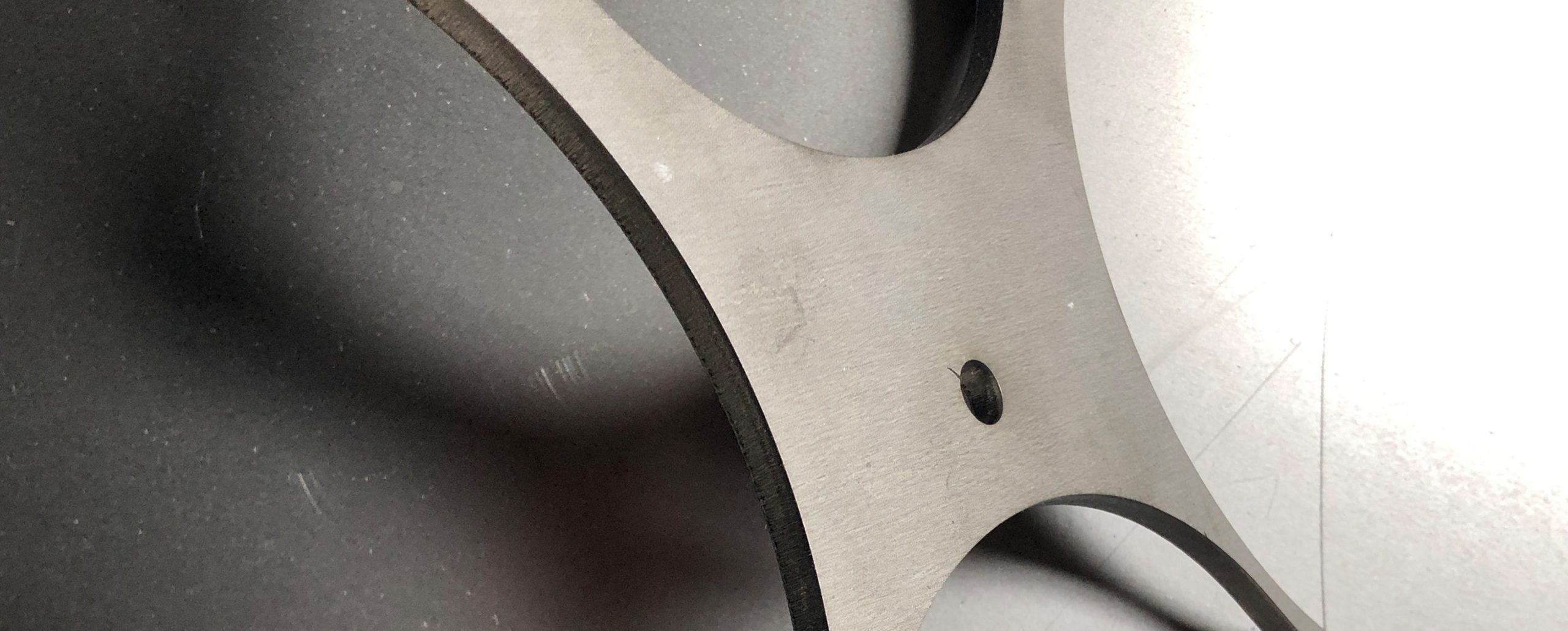
CNC machining tolerance is the permissible variation in dimensions that a machined part can have while still meeting functional requirements, typically measured in thousandths of an inch or hundredths of a millimeter. This dimensional accuracy directly determines whether precision components will fit, function, and perform as designed in critical applications.
Understanding CNC Machining Tolerance and Precision Requirements

In precision manufacturing, tolerance represents the acceptable range between maximum and minimum dimensions specified on engineering drawings. According to ISO 2768 standards as of 2025, CNC machining capabilities span from standard tolerances of ±0.005 inches (±0.127 mm) to ultra-tight tolerances of ±0.0002 inches (±0.005 mm) for specialized precision machining applications. The achievable tolerance depends on the machining center capabilities, workpiece material properties, and quality control processes employed.
Manufacturing precision involves both accuracy and precision—accuracy measures how close a dimension comes to the specified value, while precision indicates repeatability across multiple parts. A CNC mill or CNC lathe achieves dimensional control through calibrated cutting tools, rigid fixtures, and computerized control systems that minimize tolerance deviations. Companies like AP Precision Metals specialize in delivering tight tolerance machining for demanding applications.
Key Characteristics of CNC Machining Tolerances

1. Tolerance Levels Vary by Manufacturing Method
Different CNC machining processes achieve distinct tolerance capabilities. Standard 3-axis CNC machining tolerance limits typically range from ±0.005″ to ±0.001″ (±0.127 mm to ±0.025 mm), while 5-axis CNC machining tolerances can reach ±0.0005″ (±0.013 mm) due to enhanced dimensional stability and reduced setups. CNC turning center operations often achieve tighter tolerances on cylindrical features compared to milling operations.
2. Material Properties Affect Achievable Tolerances
The workpiece material significantly impacts machining accuracy levels. Aluminum CNC machining tolerances are easier to maintain due to the material’s thermal stability and machinability, with realistic tolerances for CNC milling aluminum reaching ±0.0005″ routinely. Steel CNC machining precision requires more robust tooling and slower feeds, while titanium CNC machining accuracy demands specialized cutting tools and strict coolant management to prevent thermal expansion that affects tolerance achievement.
3. Geometric Dimensioning and Tolerancing (GD&T) Defines Functional Requirements
GD&T provides a precise language for communicating tolerance specifications beyond simple plus minus tolerances. According to ANSI standards, geometric tolerances include position tolerance, form tolerance, orientation tolerance, and runout tolerance—each controlling specific dimensional aspects. GD&T tolerances for CNC machining enable machinists to understand critical tolerances versus non-critical tolerances, optimizing both functionality and cost effectiveness.
4. Measurement Accuracy Determines Tolerance Verification
Inspection methods using coordinate measuring machines (CMM), micrometers, and calipers provide measurement precision to verify machining quality. A CMM can measure dimensions to ±0.0001″ (±0.0025 mm), enabling verification of tight tolerance machining. Metrology practices must maintain accuracy at least 10 times better than the tolerance being measured.
5. Tolerance Classes Follow International Standards
ISO 2768 tolerances for CNC parts define four tolerance classes (fine, medium, coarse, very coarse) for general machining tolerances. DIN standards provide similar tolerance grades for European manufacturing. ANSI tolerances for machined parts guide North American precision engineering with specific tolerance zones for size tolerance, location tolerance, and surface roughness specifications.
CNC Machining Tolerance Capabilities: What Can Be Achieved
| Machining Process | Standard Tolerance | Tight Tolerance | Ultra-Precision |
|---|---|---|---|
| 3-Axis Milling | ±0.005″ (±0.127mm) | ±0.001″ (±0.025mm) | ±0.0005″ (±0.013mm) |
| 5-Axis Machining | ±0.003″ (±0.076mm) | ±0.0005″ (±0.013mm) | ±0.0002″ (±0.005mm) |
| CNC Turning | ±0.005″ (±0.127mm) | ±0.0005″ (±0.013mm) | ±0.0002″ (±0.005mm) |
| Swiss Machining | ±0.002″ (±0.051mm) | ±0.0003″ (±0.008mm) | ±0.0001″ (±0.0025mm) |
These tightest tolerances achievable with CNC represent capabilities under controlled conditions with proper machine calibration, minimal tool wear, and appropriate workpiece fixturing. Typical CNC machining tolerances for production environments generally fall within the standard to tight range, balancing manufacturing accuracy with economic tolerances.
How CNC Machines Achieve Dimensional Accuracy: Step-by-Step Process
Step 1: CAD Design and Tolerance Specification
Engineers specify blueprint tolerances in CAD models, defining dimensional tolerances, geometric tolerances, and finish specifications. How to specify tolerances for CNC parts requires understanding functional tolerances—the minimum precision requirements needed for part performance versus cosmetic tolerances that don’t affect function.
Step 2: CAM Programming and Toolpath Generation
CAM software translates part specifications into precise spindle movements and cutting tool paths. Programmers account for machining variables including tool deflection, thermal expansion, and material properties to maintain tolerance control throughout the machining exactness process.
Step 3: Machine Setup and Calibration
The machinist establishes workpiece position using fixtures and jigs, ensuring the chuck or workholding provides dimensional stability. Machine calibration verifies that the machining center axes move accurately within ±0.0001″ to support tight tolerance CNC operations.
Step 4: Precision Cutting Operations
During precision cutting, coolant maintains thermal stability while fresh cutting tools minimize deflection. Close tolerance machining requires multiple light finishing passes rather than aggressive material removal, improving surface finish and dimensional precision.
Step 5: In-Process and Final Inspection
Quality control begins during machining with in-process inspection using micrometers and calipers. Final metrology with CMM equipment provides comprehensive tolerance verification, measuring position, form, orientation, and size across all part specifications with measurement accuracy of ±0.0001″ or better.
Common Misconceptions About CNC Machining Precision
Myth: Tighter Tolerances Always Mean Better Quality
Reality: Unnecessary tight tolerances increase cost without improving function. According to manufacturing standards as of 2025, specifying ±0.0005″ tolerances when ±0.002″ suffices can double machining costs. When to loosen machining tolerances depends on functional requirements—non-critical dimensions should use standard machining tolerances to maintain cost effective CNC tolerances.
Myth: All CNC Machines Achieve the Same Precision
Reality: Machining capabilities vary significantly by equipment age, maintenance, and design. A properly maintained 5-axis machining center achieves tighter tolerance levels than a standard 3-axis mill. Factors affecting CNC machining tolerance include spindle runout, bearing wear, thermal stability, and structural rigidity.
Myth: Tolerance and Surface Finish Are the Same
Reality: CNC tolerance vs surface finish represent different quality aspects. Dimensional tolerance controls size and geometry, while surface roughness measures texture. A part can meet tight tolerances with a rough Ra value, or have excellent finish (Ra 32 microinch) while being out of tolerance. Roughness average and dimensional accuracy require separate specification.
Myth: Plastic CNC Machining Has Lower Precision Than Metal
Reality: While plastics exhibit different material behavior, plastic CNC machining tolerance capabilities can match metals when accounting for thermal expansion and material stability. Engineering plastics like PEEK maintain dimensional precision comparable to aluminum when machined with appropriate parameters.
When Does Precision Matter Most? Industry-Specific Requirements
Aerospace Industry: Ultra-Tight Critical Tolerances
Aerospace CNC machining tolerances typically require ±0.0005″ to ±0.0002″ on critical features. Aircraft engine components, landing gear parts, and structural fittings demand high precision machining because dimensional deviations affect safety and performance. Aerospace industry standards mandate full traceability and 100% inspection using CMM equipment for tolerance verification.
Medical Device Manufacturing: Biocompatibility Meets Precision
Medical device CNC machining precision balances tight tolerances with surface finish requirements. Surgical instruments require ±0.001″ dimensional accuracy, while implantable devices need both precision specifications and biocompatible surface treatments. Medical applications requiring tight CNC tolerances include orthopedic implants (±0.0005″), dental components, and diagnostic equipment.
Automotive Industry: Production Volume with Consistent Accuracy
Automotive CNC machining tolerance requirements range from ±0.002″ for general components to ±0.0005″ for engine and transmission parts. The challenge lies in maintaining tolerance achievement across millions of parts. Automotive industry manufacturers balance precision requirements with production speed, using statistical process control to ensure dimensional control.
General Manufacturing: Standard Tolerances Suffice
Many precision components function properly with what is standard CNC machining tolerance of ±0.005″. Brackets, housings, and non-critical parts save costs by avoiding unnecessarily tight specifications. Understanding when precision matters in manufacturing prevents over-specification while maintaining quality tolerance for functional requirements.
CNC Tolerance vs Surface Finish: Understanding the Relationship
Dimensional tolerance and surface finish represent distinct but related quality characteristics. Tolerance controls size tolerance and geometric accuracy, while surface finish measures texture through Ra value or roughness average specifications.
A machined surface can exhibit excellent finish specifications (Ra 16 microinch) while failing dimensional tolerances if the cutting tool wears during the finishing pass. Conversely, rough machining operations may hold tight dimensional accuracy with poor surface roughness. Achieving both requires understanding the tolerance range and finish requirements, then selecting appropriate cutting parameters, tool geometry, and coolant delivery.
In precision parts manufacturing, finish and tolerance interact—mirror finishes (Ra 8-16 microinch) typically accompany tight tolerances because both require sharp tools, rigid setups, and controlled cutting conditions. However, specifying both when unnecessary increases cost. Practical tolerances consider function: bearing surfaces need both precision and finish, while internal passages may only require dimensional accuracy.
Practical Applications and Tolerance Selection Best Practices
Cost vs Tolerance in CNC Machining
How much does tight tolerance cost depends on several factors. Moving from ±0.005″ standard tolerance to ±0.001″ typically increases cost 30-50% due to additional operations, inspection time, and scrap risk. Ultra-precision tolerances of ±0.0002″ can triple costs compared to standard work.
Tolerance analysis during design identifies where tight specifications provide value versus where acceptable tolerance ranges suffice. Critical tolerances—those affecting assembly, function, or safety—justify precision investment. Cosmetic tolerances should use relaxed specifications to maintain economic viability.
How to Achieve Tight Tolerances in CNC Operations
- Material Selection: Choose materials with dimensional stability—brass, aluminum, and stainless steel machine to tighter tolerances than soft plastics or long-fiber composites.
- Thermal Management: Control thermal expansion through coolant delivery, allowing thermal equilibrium, and programming temperature compensation.
- Tool Management: Use sharp cutting tools with minimal runout, replacing tools before wear affects dimensional precision.
- Fixturing Design: Employ precision fixtures and jigs that maintain workpiece position without inducing stress that causes distortion.
- Multiple Finishing Passes: Remove material in roughing operations, then use light finishing cuts to achieve final tolerance limits.
- Environmental Control: Maintain consistent shop temperature (68-70°F) to prevent thermal variation affecting measurement accuracy and dimensional stability.
Tolerance Stack and Accumulated Tolerance Considerations
Tolerance chain analysis accounts for accumulated tolerance across multiple features. When dimensions build on previous features, tolerance stack can cause assemblies to fail even when individual parts meet specifications. Understanding tolerance stack helps designers specify realistic tolerances that account for worst-case scenarios while maintaining manufacturability.
CNC Machining Tolerance Best Practices for 2025
Modern precision CNC services employ advanced strategies for improving CNC machining accuracy:
- Predictive Maintenance: Monitor machine performance to address calibration drift before it affects tolerance capabilities
- In-Process Monitoring: Use probe systems for real-time dimensional verification, enabling correction during machining rather than after inspection
- Temperature Compensation: Advanced CNC controls adjust for thermal expansion based on spindle temperature and ambient conditions
- Statistical Process Control: Track tolerance deviations across production runs to identify trends and prevent quality issues
- Appropriate Specification: Collaborate with machinists during design to specify achievable tolerances that balance function with cost
Understanding what tolerances can CNC machining achieve enables informed decisions about precision specifications. While ultra-tight tolerances of ±0.0001″ are possible, they require significant investment in equipment, inspection, and expertise. Most precision parts manufacturing succeeds with standard to tight tolerance ranges, reserving ultra-precision for truly critical applications where dimensional accuracy directly impacts safety, performance, or regulatory compliance.