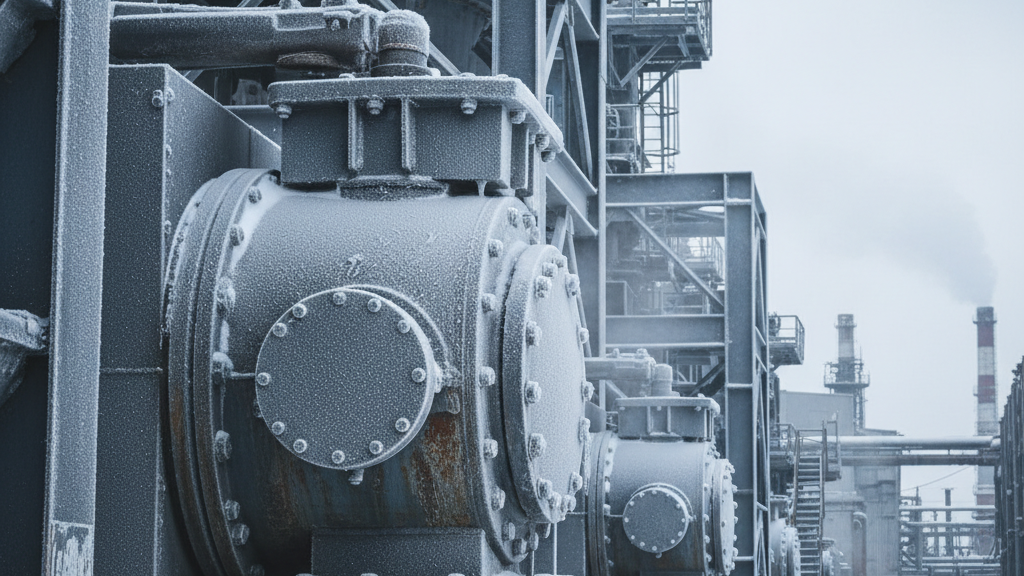
Winter can be one of the toughest seasons for industrial equipment—especially for machinery involved in welding operations. Cold temperatures, moisture, and fluctuating thermal conditions place extra stress on mechanical systems, electrical components, and weld integrity. For facilities that rely on consistent performance from metal fabrication and welding equipment, a comprehensive winter maintenance strategy is essential to prevent breakdowns, extend service life, and maintain safe, reliable operations.
Why Winter Maintenance Matters in Industrial Welding
Winter conditions accelerate wear and expose vulnerabilities that are often masked during warmer months. When temperatures drop, metal contracts, lubrication becomes less effective, and condensation increases the risk of corrosion. Welding equipment, in particular, relies on precision tolerances, responsive control systems, and stable power delivery—all of which can be negatively impacted if winter is not factored into preventative maintenance planning.
For businesses that depend on custom metal fabrication, planning ahead with seasonal maintenance can minimize unexpected downtime and ensure that production goals are achieved on schedule. Facilities with structured maintenance programs tend to have fewer in‑service failures, reduced repair costs, and improved safety records.
Core Areas to Include in a Winter Welding Maintenance Plan
A comprehensive winter welding maintenance checklist should address mechanical systems, electrical controls, safety devices, and environmental considerations. Below are the essential areas to focus on as part of your preventative maintenance routine.
1. Inspect Power Delivery and Electrical Connections
Stable power is foundational for any welding process. In winter, temperature swings and condensation can loosen connections, corrode contacts, or create resistance that leads to arcing or inconsistent weld quality.
- Check all cable assemblies, plugs, and connectors for signs of wear or moisture infiltration.
- Verify grounding and bonding paths to ensure they are secure and free of corrosion.
- Test voltage output and consistency for your welding machines to confirm they are delivering within specified tolerances.
Addressing electrical issues early can prevent interruptions in production and protect sensitive control modules from damage.
2. Evaluate Mechanical Components and Moving Parts
Cold weather can stiffen seals, increase resistance in moving parts, and challenge mechanical tolerances. Bearings, slides, and positioning systems used in welding fixtures should be evaluated to maintain precision and repeatability.
- Inspect all bearings, gears, and drive components for signs of wear or inadequate lubrication.
- Verify alignment and movement smoothness on welding tables, weld heads, and manipulator assemblies.
- Check for build‑up of grime or residues that could freeze and hinder motion.
Taking time to perform these checks before the coldest months arrive ensures equipment continues to operate with minimal resistance and optimal accuracy.
3. Lubrication and Hydraulic System Maintenance
Lubricants and hydraulic fluids behave differently under low temperatures. Viscosity increases as it gets colder, which can inhibit proper flow and reduce component protection.
- Verify that lubricants used in gearboxes, slides, and pivot points are rated for winter temperatures.
- Inspect hydraulic hoses, cylinders, and fittings for leaks, cracks, or brittleness caused by cold exposure.
- Replace hydraulic fluid with low‑temperature or all‑weather variants if necessary to maintain consistent flow and pressure.
Proper fluid maintenance helps avoid stiff, slow, or unresponsive mechanisms that can compromise welding quality or lead to breakdowns.
4. Check Coolant and Air Systems
Welding machinery often relies on coolant circulators and compressed air systems to manage heat and pneumatic actuation. In winter, improper coolant concentration or moisture in compressed air can cause issues ranging from freezing blockages to corrosion.
- Verify coolant mix ratios to prevent freezing in chillers, circulators, or coolant lines.
- Inspect air dryers and filters for moisture or debris build‑up. Ensure condensate drains are functioning properly.
- Clean air compressors and check water separators to prevent water from entering air‑operated controls and tools.
Maintaining clean, dry air and properly conditioned coolant improves overall system responsiveness and reduces the risk of component damage.
5. Examine Structural Integrity and Weld Quality
Winter’s effects aren’t limited to mechanical and electrical components—welded structures themselves can be stressed by temperature fluctuations. Cold can increase brittleness in some materials and reveal cracks or weaknesses that went unnoticed in milder conditions.
- Perform visual inspections of critical welds on jigs, fixtures, and structural supports for signs of cracking or stress.
- Consider using non‑destructive testing (NDT) methods such as dye penetrant inspection or ultrasonic testing to confirm weld integrity in key areas.
- Verify that protective coatings and surface treatments are intact to prevent corrosion accelerated by winter humidity and road salts.
These checks help ensure that welded structures are reliable and perform safely throughout the harsher months.
Documentation and Scheduling for Consistent Maintenance
Seasonal maintenance is most effective when documented and scheduled well in advance. Creating a maintenance calendar specifically for winter preparation helps facility managers allocate time, budget, and staff resources more efficiently. Establish a clear checklist that includes inspection criteria, responsible personnel, and acceptable tolerances for machine performance.
Document results of all maintenance activities and corrective actions taken. This historical data is invaluable for trend analysis and helps you improve planning year over year. For example, if a machine exhibits recurring issues every winter, early documentation allows you to identify systemic causes and make strategic upgrades before problems escalate.
Partnering with a Trusted Fabrication and Maintenance Expert
Effective winter maintenance is not only about following a checklist—it’s about understanding your equipment and production demands. Collaborating with an experienced industrial partner like AP Precision Metals, Inc. can enhance your preventative maintenance plan with actionable insights and customized recommendations.
AP Precision Metals brings years of hands‑on experience working with heavy industrial welders, CNC machinery, and precision fabrication equipment. From advising on component upgrades to assisting with inspection protocols and repair planning, having expert support can reduce downtime and extend the service life of your welding equipment.
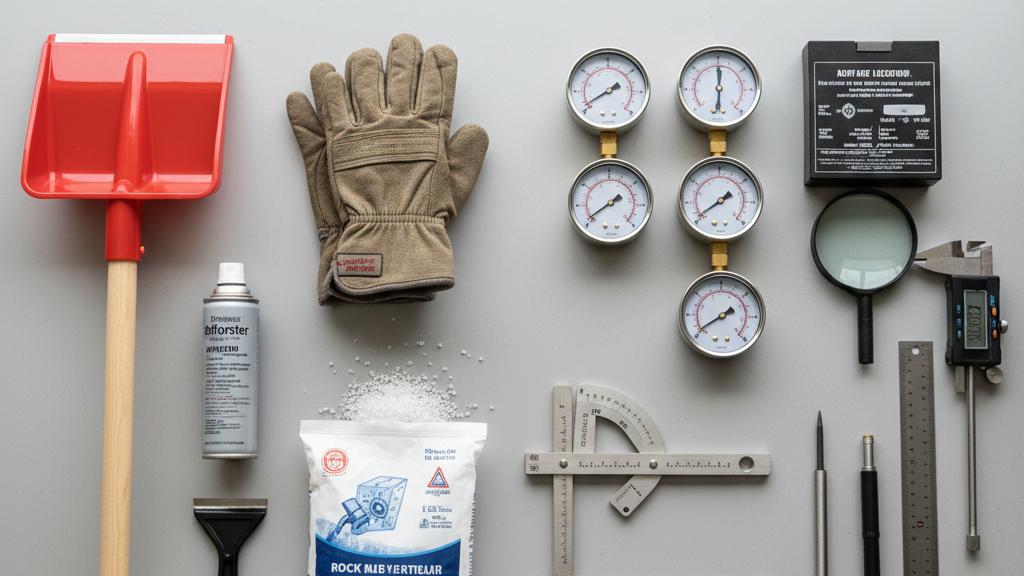
Benefits of Winter‑Focused Maintenance
Taking the time to prepare your welding equipment for winter conditions delivers direct operational benefits:
- Reduced downtime: Fewer unplanned stops mean you maintain production schedules and customer commitments.
- Extended equipment life: Proactive checks help catch minor issues before they become major failures.
- Improved safety: Machinery that functions reliably reduces the risk of accidents caused by unexpected malfunctions.
- Lower repair costs: Small corrective actions are almost always less expensive than dealing with catastrophic equipment failures.
With each winter season presenting unique challenges, having a well‑documented preventative maintenance program positions you to respond with confidence rather than react under pressure.
Implementing a Winter Welding Maintenance Program
To build a practical winter maintenance program for welding equipment, here are recommended steps:
- Assess current condition: Conduct a baseline inspection of all equipment in fall to identify vulnerabilities.
- Create a winter checklist: Use the core areas outlined above as your foundation.
- Train staff: Ensure operators and maintenance personnel understand winter challenges and inspection procedures.
- Schedule inspections: Plan weekly or monthly checks throughout the winter months.
- Track results: Log inspection findings, repairs made, and any recurring trends for future planning.
Consistency and attention to detail are the keys to success. A winter maintenance program becomes more effective each year as data builds and operating teams refine their practices.
Conclusion: Winter‑Ready Welding Equipment Starts with Preparation
Winter conditions don’t have to disrupt your industrial welding operations. With a preventative maintenance plan tailored to the unique stresses of cold weather, you can protect your equipment, extend service life, and maintain peak performance. From electrical systems to weld integrity, each component deserves attention before cold weather arrives.
Preventative maintenance pays dividends in reliability, safety, and long‑term cost savings. If you want expert guidance or support in assessing your machinery and developing a winter maintenance plan, contact us at AP Precision Metals, Inc. today. Our team is ready to help you keep your welding and fabrication equipment in top condition through every season.