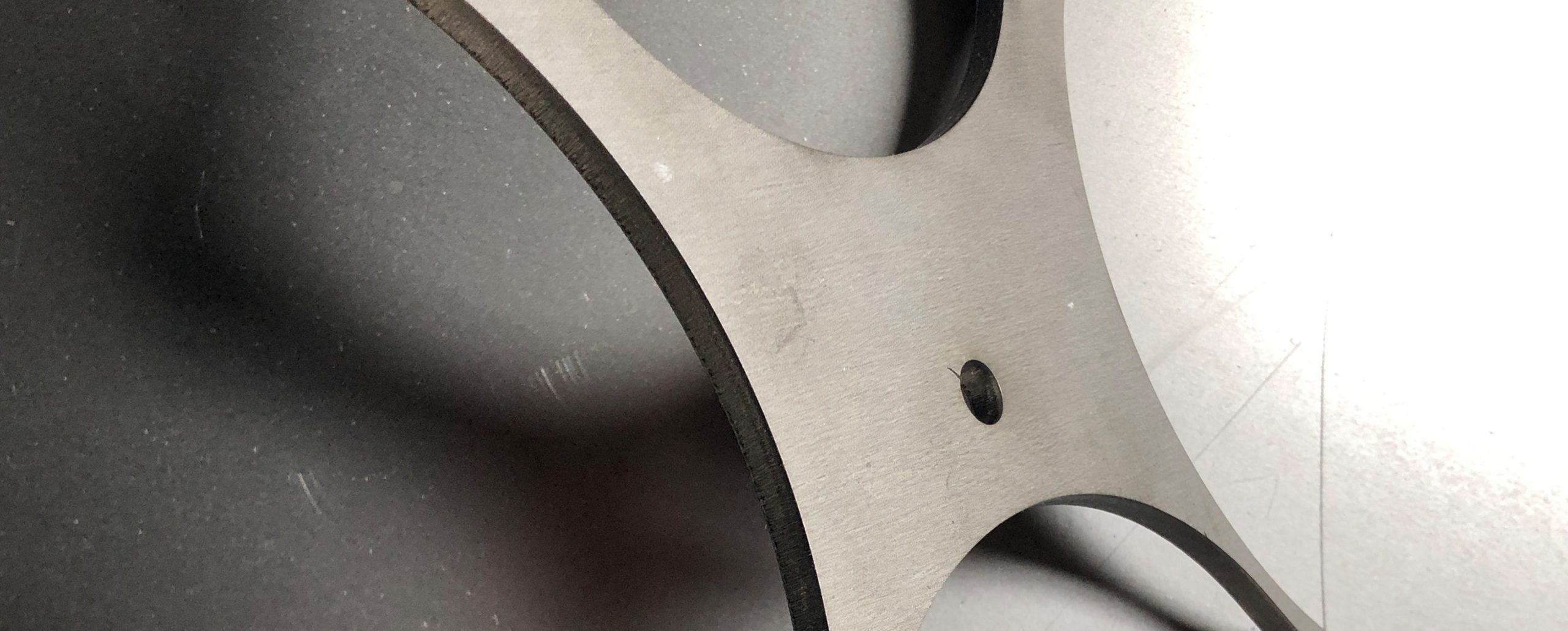
The landscape of custom metal fabrication planning continues to evolve, and 2026 presents unprecedented opportunities for metal fabrication shops to leverage advanced technologies and refined methodologies. Successful project execution hinges on comprehensive fabrication blueprint creation that integrates modern CAD software, precise material specifications, and streamlined fabrication workflow design. Understanding how to create fabrication blueprints for custom metalwork projects has become essential for maintaining competitive advantage in today’s demanding marketplace.
This fabrication planning guide explores the critical components of project planning metalwork, from initial design specifications through final production. Whether managing architectural metalwork or industrial fabrication, mastering these fabrication best practices ensures dimensional accuracy, cost efficiency, and adherence to fabrication safety standards throughout the metalwork project execution phase.
CAD Software Selection Transforms Metal Fabrication Blueprint Development

Modern custom metalwork planning begins with selecting appropriate design tools that match project complexity and shop capabilities. AutoCAD remains the industry standard for 2D shop drawing preparation, while SolidWorks and Fusion 360 excel at 3D modeling and metalwork prototyping. Tekla Structures and Revit have revolutionized structural steel planning through BIM integration, enabling seamless design collaboration between the structural engineer, CAD technician, and project manager.
The choice of metal fabrication design software directly impacts fabrication workflow optimization and production efficiency. Fusion 360 offers cloud-based accessibility ideal for custom fabrication design teams working remotely, whereas SolidWorks provides superior parametric modeling for complex custom steelwork planning. Investment in robust fabrication planning tools reduces errors in tolerances and dimensions while streamlining the transition from engineering drawings to actual metal shop workflow implementation.
How Do Blueprint Reading Skills Impact Fabrication Project Management?
Proficiency in technical drawing interpretation separates successful fabrication team management from projects plagued by costly mistakes. Blueprint reading encompasses understanding orthographic projections, isometric views, and scale drawings that communicate precise fabrication tolerances to the fabricator and welder. The quality control inspector relies on accurate blueprint interpretation to verify dimensional accuracy throughout the metal assembly planning process.
Comprehensive shop floor management requires all team members—from the metal designer to the welder—to interpret welding symbols, material specifications, and fabrication documentation consistently. Training programs addressing blueprint reading fundamentals reduce production delays and rework, particularly when working with complex architectural metal design or structural fabrication planning requiring AWS standards compliance.
Material Selection Criteria Drive Custom Metal Fabrication Planning Success

Strategic material sourcing decisions fundamentally shape fabrication cost estimation and project scheduling methods. Stainless steel offers corrosion resistance for outdoor installations, while carbon steel provides cost-effective strength for structural metalwork design. Aluminum delivers lightweight properties essential for specific architectural metalwork applications, and sheet metal remains versatile for numerous custom metal projects requiring plasma cutting or laser cutting fabrication.
Material handling procedures must account for storage requirements, machining characteristics, and compatibility with specific metal cutting techniques. The fabrication material sourcing process should evaluate availability, lead times, and price fluctuations while ensuring specifications align with AWS and ISO 9001 quality standards. Proper material selection criteria directly influence subsequent metal joining methods, metal finishing processes, and overall production planning strategies.
| Material Type | Primary Applications | Fabrication Methods | Finishing Options |
|---|---|---|---|
| Stainless Steel | Architectural, Food Service | TIG Welding, Laser Cutting | Polishing, Passivation |
| Carbon Steel | Structural, Industrial | MIG Welding, Plasma Cutting | Powder Coating, Galvanizing |
| Aluminum | Lightweight Structures | TIG Welding, CNC Machining | Anodizing, Powder Coating |
Fabrication Equipment Selection Optimizes Workshop Layout Planning
Strategic investment in metal fabrication shop equipment determines production capabilities and fabrication efficiency planning. Core machinery includes the press brake and bending brake for precision sheet metal forming, shear machine for cutting operations, and CNC machining centers for complex geometries. Advanced facilities incorporate laser cutting and waterjet cutting systems that deliver superior edge quality and dimensional precision compared to conventional plasma cutting methods.
Complementary equipment such as the mill, lathe, and various grinder configurations enable comprehensive in-house capabilities. The metal shop layout should position equipment to facilitate logical material flow from receiving through metal surface preparation, fabrication processes, welding stations, and finally metal finishing processes including sandblasting, powder coating, or galvanizing. Effective fabrication shop layout reduces material handling time and minimizes fabrication risk management concerns related to OSHA compliance.
What Metal Joining Methods Should Guide Weld Joint Design?
Selecting appropriate welding techniques requires understanding project requirements, material thickness, and structural demands. MIG welding provides efficient production speeds for carbon steel and stainless steel applications, while TIG welding delivers superior aesthetic results and precision necessary for aluminum and thin-gauge materials. The welder must reference AWS standards when planning welding sequences to ensure structural integrity and proper weld joint design throughout the metal assembly techniques employed.
Welding project planning involves analyzing joint accessibility, distortion control, and post-weld metal treatment processes. The fabrication design methodology should specify preheating requirements, interpass temperatures, and post-weld heat treatment when applicable. Proper welding project design documentation ensures consistent quality control and facilitates effective fabrication project coordination between design and production teams.
Prototyping and Quality Control Drive Fabrication Project Strategy
Comprehensive prototyping validates design assumptions before committing to full production, particularly for complex custom metalwork planning involving architectural projects or structural applications. The 3D modeling phase using advanced CAD software enables virtual assembly verification, interference checking, and material optimization. Physical prototypes constructed from economical materials allow stakeholders to assess form, fit, and function before investing in structural steel or specialty alloys.
Quality control implementation throughout the fabrication process design prevents costly corrections during metalwork installation planning. The quality control inspector verifies measurements against engineering drawings at critical fabrication stages, documenting compliance with specified tolerances and dimensions. Systematic inspection protocols aligned with ISO 9001 standards create objective evidence of quality achievement essential for fabrication project timeline adherence and client satisfaction.
- Implement first-article inspection procedures for new custom metal design projects
- Document dimensional verification at hold points throughout metal assembly planning
- Conduct weld inspections per AWS standards for critical structural connections
- Verify material certifications match project specifications before fabrication
- Perform final assembly checks prior to metal finishing processes application
Frequently Asked Questions
What CAD software is best for creating fabrication blueprints in 2026?
AutoCAD remains the industry standard for 2D shop drawings, while SolidWorks and Fusion 360 excel for 3D modeling and complex custom metalwork. For structural steel planning, Tekla Structures and Revit provide superior BIM integration. Your choice should align with project complexity, team expertise, and collaboration requirements.
How do I ensure dimensional accuracy in custom metal fabrication projects?
Maintain dimensional accuracy through comprehensive blueprint reading training, quality control checkpoints at critical fabrication stages, and proper equipment calibration. Implement first-article inspections, document tolerances clearly on engineering drawings, and employ qualified quality control inspectors who verify measurements against specifications throughout the fabrication workflow.
What material should I specify for outdoor architectural metalwork?
Stainless steel offers superior corrosion resistance for outdoor installations, particularly in coastal or industrial environments. Galvanized carbon steel provides cost-effective durability for structural applications, while powder-coated aluminum delivers lightweight properties with excellent weather resistance. Material selection should consider exposure conditions, aesthetic requirements, and lifecycle costs.
How can I optimize my metal fabrication shop workflow for efficiency?
Organize equipment layout to facilitate logical material flow from receiving through finishing processes. Implement standardized fabrication documentation, invest in CNC machining for repeatability, and establish clear communication protocols between the project manager, fabricator, and welder. Regular team training on blueprint reading and AWS welding standards reduces errors and rework.