In 2026, custom metal fabrication continues to evolve with advancements in machinery, precision engineering, and design technology. Whether you are planning a prototype, ongoing production run, or a one-off specialty part, understanding how to navigate the planning and design phases of your custom metalwork project will set you up for success. This guide lays out essential strategies for developing fabrication blueprints, optimizing design decisions, and ensuring a smooth transition from concept to completed product.
Understanding the Role of Planning in Metal Fabrication
Every successful custom metal fabrication project begins long before the first cut or weld is made. The planning phase is where project goals are defined, design intent is documented, materials are selected, and production challenges are anticipated. Effective planning ensures that your project requirements align with manufacturing capabilities and tolerances, ultimately reducing costly revisions and delays.
During this phase, detailed requirements are gathered and refined into actionable specifications that guide every subsequent step. By establishing clarity up front, you significantly improve the likelihood of delivering a quality product on time and within budget.
Defining Project Scope and Requirements
Before you start drafting blueprints, take time to define the scope of your project. What is the function of the finished part? What are the critical dimensions, tolerances, weight limitations, or surface finish requirements? Having a comprehensive list of specifications will make your blueprint more accurate and reduce the potential for misinterpretation.
Key considerations include:
-
The purpose and performance criteria of the metal component
-
Allowable tolerances and functional requirements
-
Any required surface finishes such as powder coating or plating
A clear definition of requirements enables your fabricator to give accurate feedback on manufacturability early in the design stage, rather than discovering challenges during production.
Selecting the Right Materials
Material selection directly impacts performance, cost, and manufacturing feasibility. Metals like aluminum, stainless steel, and mild steel each come with unique properties such as tensile strength, corrosion resistance, and weldability that must align with your design goals.
A fabricator like AP Precision Metals, Inc. has extensive experience working with a wide range of alloys and thicknesses—from thin sheet metal to medium plate—ensuring optimal material choices for your project needs.
Developing an Effective Blueprint
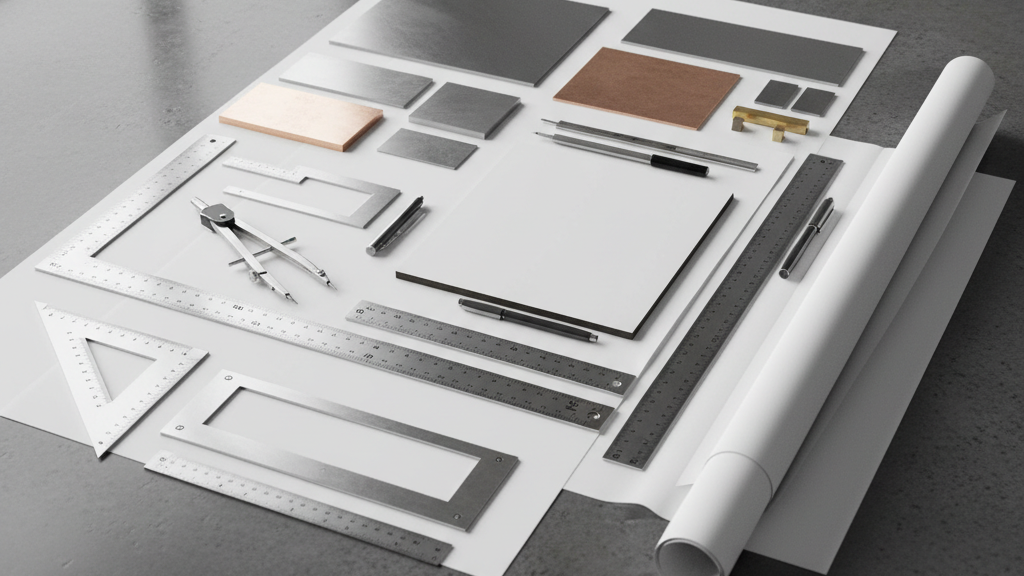
The blueprint is the guiding document for your fabrication project. A well-crafted blueprint details every aspect of the part or assembly, ensuring the manufacturing team can interpret and produce the geometry as intended.
Include Multiple Views and Clear Dimensions
Fabrication drawings should include front, top, side, and isometric views to provide a complete understanding of part geometry. Accurate and clear dimensions drive cutting, bending, and welding operations. Ambiguity in measurements can lead to errors and increased lead times.
Use Consistent Annotation and Naming Conventions
Label components clearly with part numbers and descriptions. This reduces confusion during production, especially when multiple parts are fabricated simultaneously. Be sure to list any hardware references and material specifications directly on the drawing.
Document Revision Control
Fabrication projects often evolve through multiple iterations. Keep your revision history organized and documented within the title block of your blueprint. Ensure that everyone involved is working from the most current version.
Designing with Manufacturability in Mind
Your design should anticipate how the metal will behave during cutting, bending, and welding. Decisions made during design directly affect fabrication efficiency and overall cost.
Simplify Complex Features
Where feasible, simplify intricate shapes or contours that might require custom tooling. Although CNC and fiber laser equipment can handle complex geometries, simpler designs generally speed up production and lower costs.
Design for Bending and Forming
For bent parts, ensure that your bend allowances and radii are appropriate for the selected material. As a best practice, make bend heights at least twice the material thickness plus the bend radius to minimize distortion and improve formability.
Integrate Standard Features
Using standardized hole sizes, notches, or fastener placements across multiple parts can streamline tooling setup and improve consistency across production runs.
Collaborating with Your Fabrication Partner
Working with an experienced fabrication shop like AP Precision Metals ensures your design is not only buildable but also optimized for cost and lead time. The earlier you involve your fabricator, the more effectively they can provide input on material alternatives, design adjustments, and production methods that align with your goals.
Be sure to:
-
Share CAD files and technical drawings early
-
Communicate timeline expectations
-
Discuss prototype or first-article runs to validate designs
This type of collaboration reduces surprises and helps ensure the final product meets both functional and aesthetic standards.
Leveraging Technology for Greater Precision
Advanced fabrication relies on modern tools and digital workflows. 3D CAD modeling, simulation software, and integrated digital fabrication platforms enhance precision and reduce error throughout the project lifecycle.
By designing with the full digital-to-physical workflow in mind, you can improve traceability and streamline production planning.
Quality Planning and Inspection Considerations
Quality assurance begins in the design and planning stages. Build inspection checkpoints directly into your blueprint and communicate which dimensions or attributes are most critical. Fabricators adhering to ISO standards or internal quality protocols will use this information to verify parts at every stage.
To improve quality control:
-
Define acceptable tolerances and testing methods
-
Request certification or inspection documentation where needed
-
Ensure finish specifications are detailed before production begins
Finalizing Production Plans and Lead Times
Once design and blueprint approval are complete, define your production plan. Factor in lead times for materials, machining, welding, coating, and inspection. This is especially critical if you have fixed deadlines or phased deliveries.
For higher-volume production, consider how design decisions affect cycle time and repeatability. Fabricators like AP Precision Metals implement LEAN production strategies and automated processes to deliver both low- and high-volume jobs efficiently and consistently.
Conclusion: Plan Smart, Manufacture Better
Custom metal fabrication in 2026 is as much about thoughtful planning as it is about execution. With a strong foundation in blueprint development, material selection, and collaboration, you can reduce risk, improve quality, and bring your custom metal components to life faster and more effectively.
Ready to bring your custom metal fabrication project to life? Contact us today to speak with the experts at AP Precision Metals.